Best Roofing Materials for Phoenix Arizona Heat (2026 Guide)

Choosing the right roofing material in Phoenix isn’t the same decision as it is anywhere else in the country.

Most roofing guides are written for moderate climates, where rain is the main concern and temperatures rarely push past 90°F. Phoenix is a completely different environment. You’re dealing with sustained temperatures above 110°F, intense UV radiation, low humidity that dries out materials fast and violent monsoon storms that arrive suddenly after months of brutal heat.

The roofing material that performs best in Seattle or Chicago can fail prematurely in Phoenix. This guide breaks down every major roofing option specifically for Arizona’s climate — so you can make a decision that protects your home for decades, not just a few years.

What Makes a Roofing Material Good for Phoenix?

Before comparing materials it helps to understand exactly what Phoenix’s climate demands from a roof:

Heat resistance: the material needs to withstand sustained extreme temperatures without cracking, warping or degrading. Some materials that perform fine in moderate climates become brittle and fail quickly under Phoenix summer heat.

UV resistance: Arizona receives more intense UV radiation than most US states. Materials that break down under UV exposure deteriorate years faster in Phoenix than their stated lifespans suggest.

Reflectivity: a material that reflects solar radiation rather than absorbing it keeps your home cooler and reduces air conditioning costs significantly. In Phoenix where cooling costs can dominate household energy bills this matters more than anywhere else.

Wind resistance: Phoenix monsoon storms produce wind gusts of 50-70+ mph. Your roofing material needs to stay in place under that kind of lateral force.

Longevity: given the cost of roofing installation the longer a material lasts in Phoenix conditions the better your return on investment. As we covered in our guide to how long roofs last in Phoenix, Arizona’s climate shortens most materials’ lifespans compared to national averages.

With those criteria in mind here’s how every major roofing material performs in Phoenix:

1. Tile Roofing — Best Overall for Phoenix

Lifespan in Phoenix: 30-50 years

Cost: $10,000 — $25,000+ installed

Heat performance: Excellent

UV resistance: Excellent

Energy efficiency: Very good

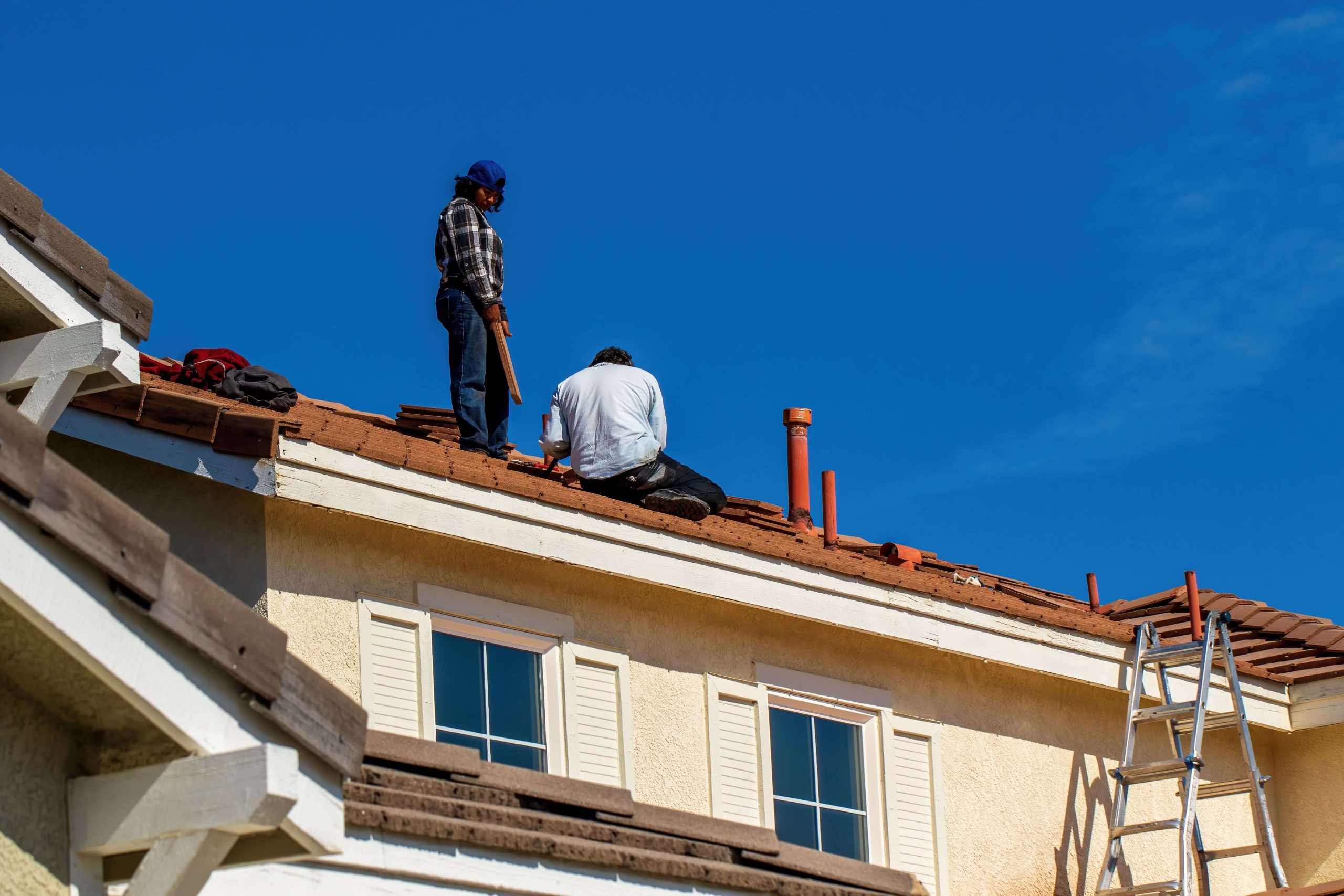
Tile roofing, both concrete and clay, is the most popular roofing choice in Phoenix and it earns that status. If you drive through any established Phoenix neighborhood you’ll see tile roofs dominating the landscape and there are very good reasons for that.

Why tile excels in Phoenix:

Tile is thermally stable, it doesn’t expand and contract dramatically with temperature changes the way asphalt does. It doesn’t absorb heat the same way either, the air gap between tiles and the roof deck provides natural insulation that keeps attic temperatures lower. In a city where air conditioning costs are significant this thermal performance has real financial value.

Tile is also essentially immune to UV degradation. Clay and concrete don’t break down at the molecular level under UV radiation the way organic materials do. A tile roof installed correctly can genuinely last 40-50 years in Phoenix with basic maintenance.

The important caveat:

The tiles themselves last decades — but the underlayment beneath them typically lasts 20-30 years in Phoenix conditions. When a tile roof starts leaking it’s almost always the underlayment that’s failed. This is why tile roof repairs can sometimes surprise homeowners with their cost, you may need underlayment replacement even when the tiles look perfect from the ground.

Best for: Homeowners planning to stay long-term who want the most durable and aesthetically appropriate option for Phoenix’s architectural style.

2. Metal Roofing — Best for Energy Efficiency

Lifespan in Phoenix: 40-60 years

Cost: $15,000 — $35,000+ installed

Heat performance: Excellent

UV resistance: Excellent

Energy efficiency: Outstanding

Metal roofing is growing rapidly in Phoenix for one primary reason — it reflects solar radiation rather than absorbing it. In a climate where your roof is baking under 110°F+ sun for months at a time the difference between a material that reflects heat and one that absorbs it translates directly into lower cooling bills.

Standing seam metal is the premium option, panels lock together at raised seams with no exposed fasteners. There are no nails or screws exposed to weather which eliminates the most common leak points in metal roofing. It handles Phoenix’s monsoon storms extremely well and can last 50+ years with essentially no maintenance beyond occasional inspection.

Metal panels and shingles are a more affordable metal option that still outperforms asphalt significantly in Phoenix conditions. They’re more accessible price-wise while still providing superior heat reflection and longevity.

The drawbacks:

Upfront cost is significantly higher than asphalt or even tile in some cases. Some homeowners also find the sound of heavy monsoon rainfall on metal roofing disruptive, though modern underlayment systems reduce this considerably.

Best for: Homeowners focused on long-term energy savings and maximum lifespan who are willing to invest more upfront.

3. Foam Roofing (SPF), Best for Flat Roofs in Phoenix

Lifespan in Phoenix: 20-25 years with recoating

Cost: $4,000 — $12,000 installed

Heat performance: Outstanding

UV resistance: Good with proper coating

Energy efficiency: Outstanding

Spray Polyurethane Foam (SPF), is a roofing system you won’t find commonly recommended in most parts of the country. But in Phoenix it’s one of the best performing options available, particularly for flat and low-slope roofs which are extremely common across the Phoenix metro area.

How it works:

Liquid foam is sprayed directly onto the roof surface where it expands and hardens into a seamless, fully adhered roofing layer. Because there are no seams, joints or exposed fasteners there are no weak points for water infiltration, the most common cause of flat roof leaks.

Foam also has outstanding insulating properties. It reflects heat and provides genuine thermal insulation that keeps attic temperatures significantly lower than most other flat roofing systems. For a Phoenix home that runs air conditioning heavily from April through October this translates into meaningful energy savings every year.

The maintenance requirement:

Foam roofing requires recoating every 5-10 years to maintain its UV protective layer. Without recoating the foam itself degrades under UV exposure. Factor this ongoing maintenance cost into your decision — but note that recoating is significantly cheaper than roof replacement.

If you’re dealing with ponding water on your flat roof foam roofing is worth discussing with a contractor, its seamless nature handles standing water better than most alternatives.

Best for: Phoenix homeowners with flat or low-slope roofs looking for maximum energy efficiency and longevity.

4. Asphalt Shingles, Most Affordable but Shortest Lifespan

Lifespan in Phoenix: 15-20 years

Cost: $5,000 — $12,000 installed

Heat performance: Fair

UV resistance: Poor to fair

Energy efficiency: Poor

Asphalt shingles are the most widely installed roofing material in the US — but they’re also the material that struggles most in Phoenix’s extreme climate.

The core problem is that asphalt shingles are designed for moderate climates. The asphalt binder that holds them together softens under extreme heat and the protective granule surface washes off faster in Phoenix than anywhere else. Without granule coverage the shingle underneath is directly exposed to UV radiation and deteriorates rapidly.

In Phoenix you should expect 15-20 years maximum from asphalt shingles, and only if the installation was quality and you maintain the roof properly. The national average of 20-30 years simply doesn’t apply here.

That said asphalt shingles remain the most affordable option and for homeowners on a budget or those planning to sell within 10 years they remain a practical choice.

Cool roof asphalt shingles:

If you do choose asphalt look for shingles with an Energy Star rating or “cool roof” designation. These use specialized granules that reflect more UV radiation than standard shingles, improving their heat performance meaningfully in Phoenix conditions. They cost slightly more but last longer and reduce cooling costs.

Signs your asphalt shingle roof is struggling in Phoenix heat: curling edges, cupping, widespread granule loss and brittleness are all signs the heat is taking its toll. If you see these warning signs get an inspection before monsoon season arrives.

Best for: Budget-conscious homeowners or those planning to sell within 10 years who want the most affordable installation cost.

5. TPO and Modified Bitumen — For Flat Roofs

TPO Lifespan in Phoenix: 15-20 years

Modified Bitumen Lifespan: 10-15 years

Cost: $5,000 — $15,000 installed

TPO and modified bitumen are the two most common alternatives to foam roofing for flat roofs in Phoenix.

TPO (Thermoplastic Polyolefin) is a single-ply membrane that’s heat-welded at the seams. White TPO in particular reflects solar radiation effectively, making it one of the more energy-efficient flat roof options. It’s lighter than modified bitumen, faster to install and handles Phoenix’s UV exposure better than older membrane systems.

Modified bitumen is essentially an upgraded version of traditional built-up roofing. It performs adequately in Phoenix but is more vulnerable to UV degradation than TPO over time. It’s also darker in color which means it absorbs more heat, a meaningful disadvantage in Phoenix’s climate.Both systems are susceptible to ponding water damage (link to ponding water post) if drainage isn’t properly maintained — something every Phoenix flat roof owner needs to stay on top of particularly given the intensity of monsoon rainfall.

Best for: Commercial properties or residential flat roofs where foam isn’t suitable and budget is a consideration.

6. Wood Shake — Not Recommended for Phoenix

Lifespan in Phoenix: 10-15 years

Heat performance: Poor

UV resistance: Very poor

Wood shake roofing is genuinely beautiful but Phoenix is one of the worst possible climates for it. The combination of extreme heat, intense UV and low humidity causes wood shake to dry out, crack and split significantly faster than in any other climate.

Some Phoenix area municipalities restrict or prohibit wood shake due to wildfire risk. If you currently have a wood shake roof that’s ageing it’s worth consulting with a contractor about replacement before your next monsoon season, an ageing wood shake roof is particularly vulnerable to storm damage.

Side-by-Side Comparison

Leave a Comment