Table of Contents
Tile roofs are genuinely durable, but Phoenix monsoon storms deliver forces that push even well-installed tile systems to their limits. This isn’t vague “storms are hard on roofs” advice, here’s specifically what monsoon wind, rain, and dust do to tile roofing, backed by real regional weather data.
Get a Free Post-Storm Tile Roof Inspection in Phoenix
How Strong Are Phoenix Monsoon Winds, Really?
Phoenix monsoon storms aren’t just “windy” in a general sense, they regularly produce measured, National Weather Service-confirmed gusts strong enough to matter structurally. A monsoon storm in August 2026 produced widespread gusts of 55–65 mph across the Phoenix metro, with a peak gust of 68 mph recorded at Sky Harbor International Airport, according to NWS data reported by 12 News. Gusts in the 60–70+ mph range are a recurring feature of Phoenix’s monsoon season, not a rare exception.
This matters directly for tile roofs: per Tile Roofing Institute installation standards (incorporated into the International Building and Residential Codes), roofs in regions with basic wind speeds approaching or exceeding 100 mph (3-second gust) require enhanced fastening, additional clips, adhesive, or mechanical attachment beyond standard installation. A tile roof installed to older or minimum-standard specifications may be more vulnerable to uplift during Phoenix’s strongest monsoon gusts than a properly wind-rated modern installation.
Why Phoenix Storms Are Hard on Tile Roofs
Wind uplift and flying debris. Sustained gusts in the 55–70 mph range documented above can lift or shift tiles that aren’t adequately fastened, while airborne debris carried on that same wind can crack or break tiles on impact.
Heavy, sudden rainfall. Monsoon storms deliver intense rain in short bursts rather than steady, prolonged rainfall, this concentrated water can exploit even small gaps from shifted or cracked tiles far faster than a gradual rain event would.
Dust storm (haboob) abrasion. Phoenix haboobs carry substantial windborne sand and debris, sometimes towering thousands of feet high and stretching tens of miles across the Valley. Repeated abrasion from these events gradually wears down tile surfaces, making them more prone to cracking under subsequent wind or impact stress.
Common Types of Storm Damage to Tile Roofs
| Damage Type | Cause | Risk If Ignored |
|---|---|---|
| Cracked/broken tiles | Wind-driven debris impact | Direct water entry point |
| Dislodged/shifted tiles | Wind uplift exceeding fastening capacity | Gaps allowing water intrusion |
| Flashing/seal damage | Wind and rain stress at vents, edges | Leak point even with intact tiles |
| Underlayment damage | Water infiltration beneath intact-looking tiles | Hidden, often undetected until leak appears |
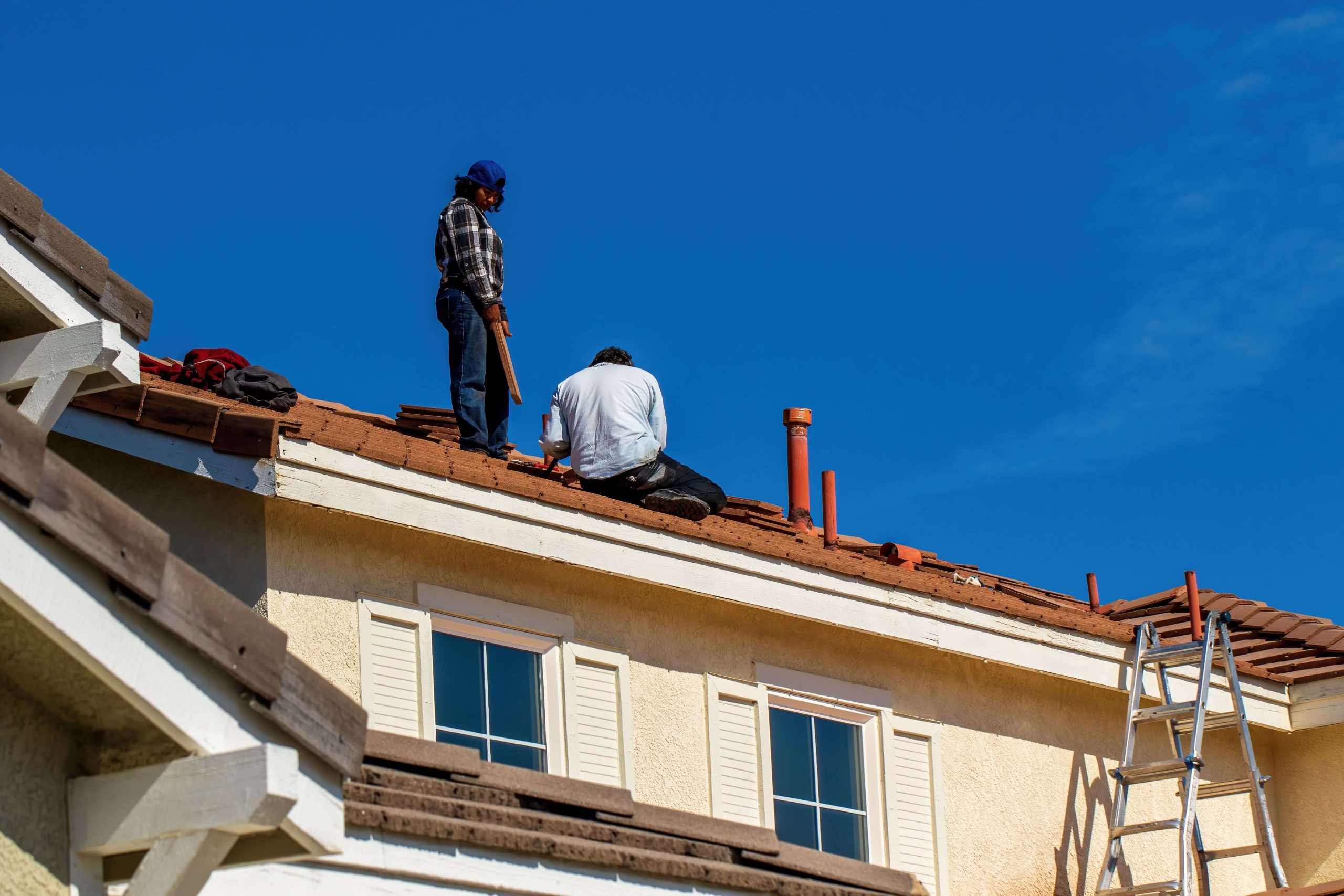
In most cases, professional tile roof repair is required to properly address any of these, since tile requires specific handling to avoid causing additional cracks during the repair itself.
Signs Your Tile Roof Has Storm Damage
- Visible cracked, broken, or displaced tiles
- Water stains on ceilings or interior walls
- Debris accumulation blocking drainage paths
- Active leaks during or immediately after rain
Even a single damaged tile creates a real entry point for moisture. For the complete list of storm-damage warning signs across all roof types, see Signs Your Roof Has Storm Damage After a Phoenix Monsoon.
Why Underlayment Damage Is the Real Risk
Tiles themselves can look completely intact while water has already breached the underlayment beneath them, this is the most commonly missed form of tile storm damage, since a visual check from the ground or even walking the roof surface won’t reveal it. This is exactly why post-storm professional inspection matters even when no tiles appear visibly broken.
How to Prevent and Prepare for Storm Damage
- Pre-season inspection; confirm tile fastening meets current wind standards before monsoon season begins
- Secure or replace loose tiles proactively rather than waiting for a storm to find the weak point
- Clear debris and check drainage paths before storms hit
- Post-storm inspection, even without visible damage, hidden underlayment breaches are common
Ready to get your tile roof checked after a storm, or reinforced before the next one? Our Roofing Services in Phoenix AZ page connects you with local contractors experienced specifically in tile roofing.
FAQ: How Storms Damage Tile Roofs in Phoenix
How strong do winds need to be to damage a tile roof?
Properly installed tile can withstand significant wind, but gusts in the 55–70+ mph range regularly seen during Phoenix monsoons can dislodge tiles that aren’t adequately fastened to current wind standards.
Can a tile roof have storm damage even if I don’t see broken tiles?
Yes, water can breach the underlayment beneath intact-looking tiles, which is why post-storm professional inspection matters regardless of visible damage.
Do haboobs actually damage tile roofs, or just create a mess?
Repeated dust and debris abrasion from haboobs gradually wears tile surfaces over time, making them more susceptible to cracking during subsequent wind or impact events, it’s a cumulative effect, not just a cleanup issue.
How do I know if my tile roof meets current wind-resistance standards?
A professional inspection can assess your tile’s fastening method and compare it against current Tile Roofing Institute and building code standards for your area’s wind zone.
Is tile roof storm damage covered by insurance?
Often yes, if it’s from a specific storm event like wind or hail, document damage promptly and check your specific policy for coverage details.
Ready to get your tile roof inspected after the last storm?
Get a Free Tile Roof Storm Damage Inspection
Sources
- National Weather Service (via 12 News) – Phoenix Monsoon Wind Gust Data
- Tile Roofing Institute – Official Site and Installation Standards